
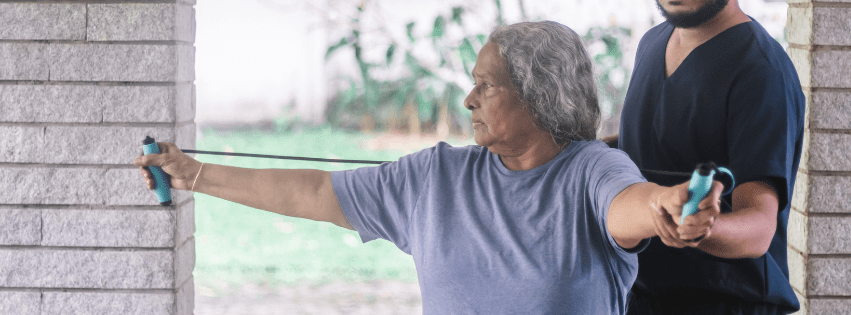
As we age, maintaining physical health becomes more important than ever. For many older adults, the challenges of aging—such as joint pain, muscle weakness, and reduced mobility—can have a significant impact on daily life, limiting independence and making even simple tasks more difficult. However, with the right approach, it is possible to slow down or even reverse some of the effects of aging on the body. Sports Therapy is not just for athletes; it can be an incredibly effective tool for the aging population, helping seniors maintain mobility, prevent injury, and continue to live independently. In this blog post, we’ll explore how sports therapy can benefit older adults, focusing on maintaining and improving physical function, reducing pain, and enhancing quality of life.
What is Sports Therapy for the Aging Population?
Sports therapy typically focuses on injury prevention, rehabilitation, and performance enhancement for athletes, but its benefits can extend well beyond sports. For seniors, sports therapy can help manage or prevent common age-related issues like osteoarthritis, muscle atrophy, balance problems, and mobility limitations. Sports Therapists are trained to assess an individual’s physical condition, create personalised exercise plans, and use a variety of hands-on techniques (such as massage, stretching, and joint mobilisation) to reduce pain and improve movement. The goal is not only to help seniors recover from injuries but also to improve strength, flexibility, and mobility, ensuring that they can continue to enjoy a high quality of life as they age.
How Sports Therapy Helps Seniors Maintain Mobility
As we age, we naturally lose muscle mass, bone density, and flexibility, which can lead to decreased mobility and a higher risk of falls and injuries. However, sports therapy provides can valuable strategies to maintain and even enhance mobility in older adults. Here’s how:
1. Improved Strength and Muscle Function
Loss of muscle strength is one of the most common consequences of aging, leading to weakness, fatigue, and difficulty performing everyday activities like getting out of a chair or walking up stairs. Regular strength training exercises tailored to an older adult’s abilities can help counteract this decline. Sports Therapists design safe, effective strength programs to target key muscle groups, improve endurance, and increase overall strength. This not only helps seniors move more easily but also reduces the risk of falls and injuries. Strengthening the muscles surrounding important joints, such as the knees, hips, and shoulders, can provide greater stability and support.
2. Joint Mobility and Flexibility
As we age, our joints become stiffer, and tendons and ligaments lose their elasticity, which can lead to limited range of motion. This is often seen in conditions like osteoarthritis, where the cartilage in the joints wears down, causing pain and stiffness. Sports therapy can help improve flexibility and joint mobility through targeted stretching exercises and manual techniques. By focusing on the range of motion in key areas like the hips, knees, and spine, sports therapy can help seniors move more freely, making it easier to perform daily tasks like bending, walking, and lifting objects. Regular flexibility training can also help alleviate pain and reduce stiffness associated with arthritis and other joint conditions.
3. Balance and Coordination
Falls are one of the leading causes of injury in older adults, often resulting in serious fractures, hospitalisations, and long-term disability. A decline in balance and coordination is a natural part of aging, but sports therapy can help restore and improve these vital functions. Balance training exercises such as standing on one leg, walking on uneven surfaces, or practicing controlled movements are often used to improve stability and coordination. These exercises strengthen the muscles involved in balance and promote better posture, which can significantly reduce the risk of falls.
Sports Therapy for Pain Management
Chronic pain is another common challenge for the aging population, especially when conditions like arthritis, sciatica, or fibromyalgia are present. While medications can provide temporary relief, sports therapy can offer long-term solutions that address the root causes of pain and promote natural healing.
1. Manual Therapy Techniques
Sports Therapists use various manual therapy techniques to relieve pain and promote healing in affected areas. These can include soft tissue massage, joint mobilisation, and myofascial release. These hands-on treatments can reduce muscle tension, improve blood flow, and enhance joint mobility, all of which contribute to pain relief. For older adults with chronic conditions like arthritis, manual therapy can help reduce inflammation, alleviate discomfort, and increase mobility. Regular sessions can help to manage pain without relying solely on medications, which can have side effects.
2. Posture and Body Alignment
Poor posture is common among older adults, often due to muscle weakness, joint stiffness, and changes in bone structure. Misalignments in posture can contribute to chronic pain, especially in the neck, back, and hips. Posture can be corrected through targeted exercises and manual techniques that help realign the spine and restore natural body mechanics. By improving posture, the strain on muscles and joints can be reduced, alleviating pain and discomfort. Good posture also promotes better breathing and circulation, contributing to overall health and well-being.
The Role of Sports Therapy in Maintaining Independence
One of the most significant benefits of sports therapy for seniors is its role in helping maintain independence. The ability to move freely, without pain or limitations, is essential for performing everyday tasks like cooking, cleaning, shopping, and even socialising. By improving strength, flexibility, balance, and coordination, sports therapy enables older adults to remain independent and enjoy a more active lifestyle.
1. Custom Exercise Programs
These programs can focus on key areas like strength, flexibility, and balance, but they will always be adapted to the specific needs and abilities of the individual. Customised programmes ensure that older adults are not overexerting themselves while still making progress toward improved mobility and independence.
2. Education and Injury Prevention
Sports Therapists also educate older adults on how to prevent injury in daily life. This includes teaching proper posture, safe movement techniques, and ergonomic strategies to reduce strain on the body. By helping seniors understand how to move more safely and efficiently, sports therapy allows them to maintain their independence and avoid accidents that could lead to serious injuries.
When Should Seniors Consider Sports Therapy?
While it’s always best to consult a healthcare professional for a full assessment, there are several signs that sports therapy could be beneficial for older adults:
- Chronic pain or discomfort that limits daily activities
- Difficulty with balance or frequent falls
- Stiffness or limited mobility in joints
- Decreased strength or muscle weakness
- The desire to maintain or improve physical function and independence
This blog post is not designed to replace a full assessment from qualified healthcare professional. If you would like to discuss injury prevention, how we may be able to help you, or to book an appointment, contact us.

