
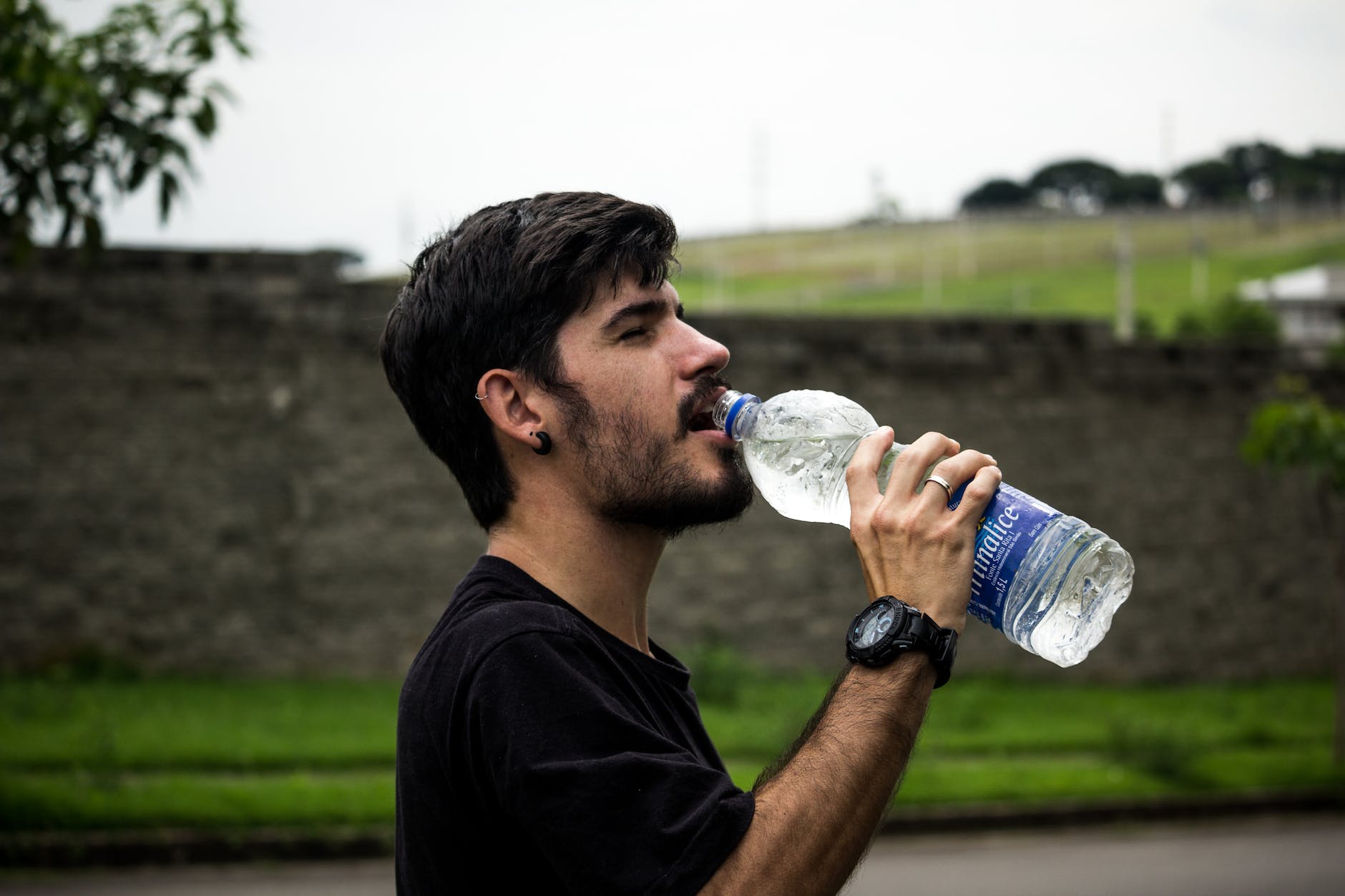
Whether you exercise for fun or are a professional athlete, the correct hydration is vital to your performance. On average the human body is 60% water, and it is important to maintain this while exercising. As much as 2 litres of water per hour can be lost whilst exercising, mainly through sweating. Therefore in order to prevent dehydration, you will need to drink more than this while exercising. If you do not replenish this lost fluid, you will become dehydrated which can hinder your ability to exercise effectively and negatively impact your general health.
Drinking enough water and keeping yourself hydrated is vital for many reasons, not just when you’re exercising. Water is needed to regulate body temperature, lubricate joints, deliver nutrients around your body and keeping your organs working properly. Good hydration will also improve the quality of your sleep, mood and cognition. Possible side effects of not drinking enough water include persistent headaches, lack of focus, dry skin, decreased physical and mental performance, and an increased risk of kidney stones and UTIs. On average you should drink 6-8 glasses of water per day to keep hydrated. In hot weather, or when you are exercising this amount will need to be increased due to the extra water being lost from your body.
Most of the time when you feel thirsty you have already started to become dehydrated, therefore this alone isn’t a good indicator of when you should be having something to drink. Other signs of dehydration include headaches, a parched mouth, dizziness, increased heart rate and muscle cramps. One of the easiest indicators of your hydration is the colour of urine- when you are adequately hydrated your urine will be pale or almost clear in colour, when you are dehydrated it will be anywhere from a dark yellow to brown colour.
Adequate levels of hydration can also help to reduce an athletes risk of injury. Hydration in athletes is essential to maintaining normal circulation through the body so that nutrients and oxygen can be delivered to working muscles. In addition to this, when your body is dehydrated your muscles will fatigue quicker, therefore by keeping good level of hydration throughout exercises, muscle fatigue can be minimised. Dehydration also puts you at a greater risk of injury for number of other reasons, including:
- Inflammation: When you are dehydrated your muscles are unable to clear away scar tissue, meaning they can become inflamed and painful
- Cramps: In order to work efficiently your muscles need adequate water, when this is not the case you will be more susceptible to muscles cramps
- Reduced joint space: Water is needed to help lubricate and cushion your joints. Your cartilage is made almost entirely of water, so when this is in short supply, the amount of cushion between your bones is reduced, leading to joints feeling stiff and creaky
- Fatigue: The electrolytes in water are vital for fuelling your muscles when exercising. Without these you will feel weaker and tired, leading to poor technique, and subsequent additional strain on structures not designed to take it
It is recommended that you drink between 400-500ml of water in the 2 hours leading up to any exercise, with regular drinks breaks to replenish lost water whilst exercising. Typically whilst exercising 0.5-2L of fluid will be lost through sweat per hour, and losing anything more than 2% of your body weight through fluid loss can significantly impair athletic performance.
This blog post is not designed to replace a full assessment from qualified healthcare professional, and outlines just a few key facts about the role hydration plays in reducing injury risk. If you would like to discuss a possible injury, or to book an appointment, contact us.


One thought on “How does hydration reduce injury risk?”