
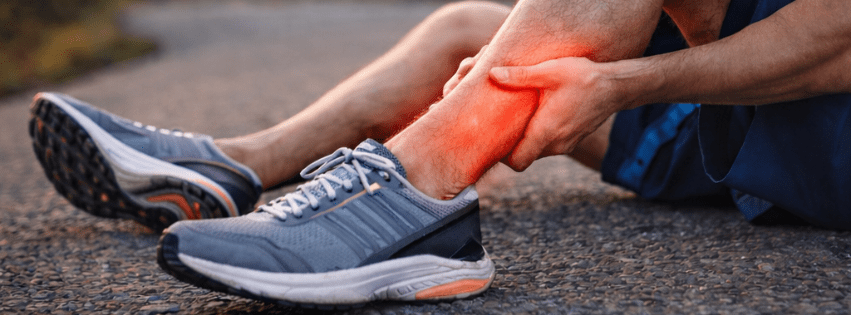
Overuse injuries are some of the most common problems we see in sports injury clinics. They affect runners, gym-goers, cyclists, swimmers, and even people whose “sport” is a physically demanding job. What makes them frustrating is that they often creep up slowly—no single fall, twist, or collision to blame—until one day the pain won’t go away.
So what’s actually happening inside the body? And more importantly, how can you stop overuse injuries before they stop you?
What Is an Overuse Injury?
An overuse injury happens when a tissue—like a tendon, muscle, bone, or joint—is repeatedly stressed without enough time to recover. Your body is incredibly good at adapting. When you exercise, tiny amounts of damage occur in your tissues- this is normal and healthy. During rest, your body repairs that damage and rebuilds the tissue slightly stronger than before. This is how fitness improves. Problems arise when the damage builds up faster than the body can repair it. Instead of getting stronger, the tissue becomes irritated, painful, and eventually injured.
Common overuse injuries include:
- Tendinopathy (such as Achilles or rotator cuff pain)
- Stress fractures
- Shin splints
- Runner’s knee
- Tennis or golfer’s elbow
Why does repetition cause damage?
Think of bending a paperclip back and forth. One bend won’t break it. But repeat the same movement over and over, and eventually it snaps. Your tissues aren’t paperclips—they can heal—but the idea is similar. Every step you run, every stroke you swim, and every lift you repeat places load through the same structures. If the load is too high, the movement is repeated too often or recovery time is too short, then microscopic damage starts to accumulate. At first, the body copes. Over time, it falls behind.
The Role of Tendons, Muscles, and Bones
Tendons
Tendons connect muscles to bones. They act like strong, springy ropes that store and release energy. Overuse can cause tendon pain when the tendon is repeatedly loaded without enough recovery. Despite the old term “tendonitis,” most long-lasting tendon pain is not classic inflammation. Instead, the tendon structure becomes disorganised and less efficient. That’s why rest alone often doesn’t fix the problem.
Muscles
Muscles usually adapt faster than tendons. This means you might feel strong enough to train harder, while your tendons are still catching up. This mismatch is a common cause of overuse injuries.
Bones
Bones respond to stress by becoming denser and stronger. But if training volume or intensity increases too quickly, bones don’t get time to adapt, leading to stress reactions or stress fractures.
Why Overuse Injuries Come On Gradually
Overuse injuries rarely appear overnight. Instead, they often follow a pattern:
- Mild discomfort during activity
- Pain after activity
- Pain during activity
- Pain that affects daily life
Because the early stages feel manageable, many people push through—unintentionally making things worse. Pain is your body’s warning system, and it is always best to get aches and pains checked, no matter how minor you think they may be.
Common Risk Factors for Overuse Injuries
Several factors increase the risk of developing an overuse injury:
- Sudden increases in training (distance, weight, intensity, or frequency)
- Poor recovery (sleep, nutrition, or rest days)
- Repetitive technique errors
- Previous injury
- Muscle weakness or imbalance
- Limited joint mobility
- Inappropriate footwear or equipment
Often, it’s not one single issue—but a combination.
The good news? Overuse injuries are highly preventable.
1. Progress Gradually – A simple rule: don’t increase everything at once. If you increase training volume, keep intensity the same. If intensity goes up, reduce volume. Give your tissues time to adapt.
2. Respect Recovery – Recovery is not “doing nothing”—it’s when adaptation happens.
Aim for:
- Adequate sleep
- Regular rest days
- Lighter training weeks built into your program
3. Strength Train (Yes, Even for Endurance Sports) – Strength training helps tissues tolerate load better. Strong muscles reduce stress on tendons and joints, and stronger tendons handle repetitive forces more efficiently.
4. Vary Your Training – Repeating the exact same movement pattern every session increases strain on the same tissues. Vary surfaces, speeds, exercises, or training styles to spread the load more evenly.
5. Listen to Early Warning Signs – Persistent soreness, stiffness that doesn’t ease with warm-up, or pain that worsens week to week should not be ignored. Early intervention is much easier—and faster—than treating a long-standing injury. Pain does not always mean damage, but persistent pain is a signal that something needs to change. Continuing to train through an overuse injury often delays healing, alters movement patterns, creates secondary injuries elsewhere. Smart training is not about avoiding discomfort—it’s about knowing which signals to respect.
Overuse injuries aren’t caused by weakness or bad luck. They’re the result of too much load, too often, with too little recovery. By understanding how your body adapts—and respecting the balance between stress and rest—you can train smarter, stay healthier, and keep doing the sports you love for years to come.
This blog post is not designed to replace a full assessment from qualified healthcare professional. If you would like to discuss how sports therapy may be beneficial for you, a current injury, or to book an appointment, contact us.
 HLM Sports Therapy