
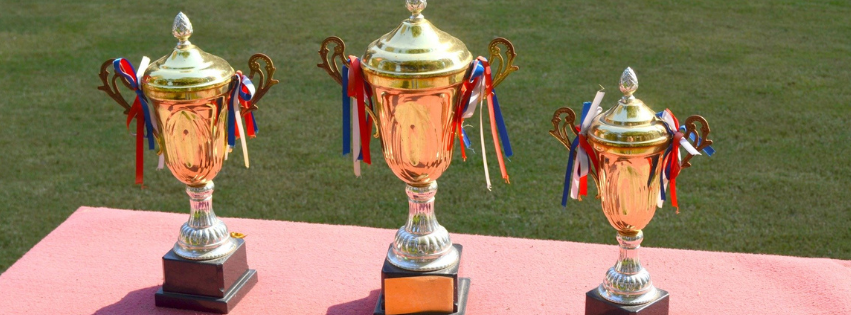
In the lead-up to competition and sporting events it is not uncommon to experience a mixture of emotions, including both excitement and nerves. Sports performance can be mentally and physically challenging, so it is important to prepare yourself as much as possible.
Plan effectively and train consistently
Events such as athletics meets and gymnastics competitions, or important fixtures such as finals can be a daunting prospect for some athletes. While it is what everyone has worked towards, making it to the event can be a minefield.
It is important that in the lead up to competition you have a plan in place that you can follow and will help you to train consistently. A well structured training plan will include sport specific strengthening , cardio and skill work.
Monitor nutrition and hydration
Correct nutrition and hydration are vital for optimising athletic performance. Eating a balanced diet of protein, complex carbs and healthy fats will help to fuel your body and allow it to perform at its best.
It is also important to stay hydrated by drinking plenty of water. Some athletes will also choose to add electrolytes to their water. Electrolytes help to regulate nerve and muscle function, balance blood acidity and pressure, and help rebuild damaged tissues. Allowing yourself to become dehydrated in the lead up to competition will significantly increase your risk of injury- find out why in our previous blog post “How does hydration reduce injury risk?”.
Allow for sufficient recovery including sleep and rest
In the days leading up to competition it is important to taper training and ensure that you get enough sleep and time to rest. This will allow your body to recover from training, and be ready to ready to perform at its best.
Some athletes find that setting themselves a bedtime that they stick to each night helps them to structure the remainder of their day appropriately. In addition to this, many athletes will opt for light training, such as gentle swimming to help keep their bodies moving, but avoiding any unnecessary fatigue. Other popular rest and recovery modalities commonly used among athletes of all sports are yoga/pilates, massage, and cryotherapy.
Mental preparation
Mental preparation is just as important as physical for athletic performance. Some popular methods which may help you to mentally prepare include:
Visualisation- Effective use of visualisation will help you to compete with more confidence. Also referred to as mental rehearsal, visualisation involves you visualising yourself having success in your sport. Some athletes will also use visualisation to imagine a calming place, so that they feel more relaxed when their competition starts. It is important to visualise scenarios which may happen during competition, that way should the scenario arise, you will be prepared and know how to react.
Positive self talk- This refers to the way you think and speak to yourself. Athletes will commonly have a list of phrases that they repeat to themselves to help to bring their focus into the desired state. For example, by thinking in a positive way, you are likely to feel calmer and more confident as your competition begins.
Performance objectives- Setting goals and objectives will help to control your focus. It is important to only set one or two performance objectives, so that they can be focused on during competition and performance can be optimised.
This blog post is not designed to replace a full assessment from qualified healthcare professional, and outlines just a few techniques you may find beneficial in preparation for competition and/or important games. If you would like to discuss a possible injury, or to book an appointment, contact us.
 HLM Sports Therapy