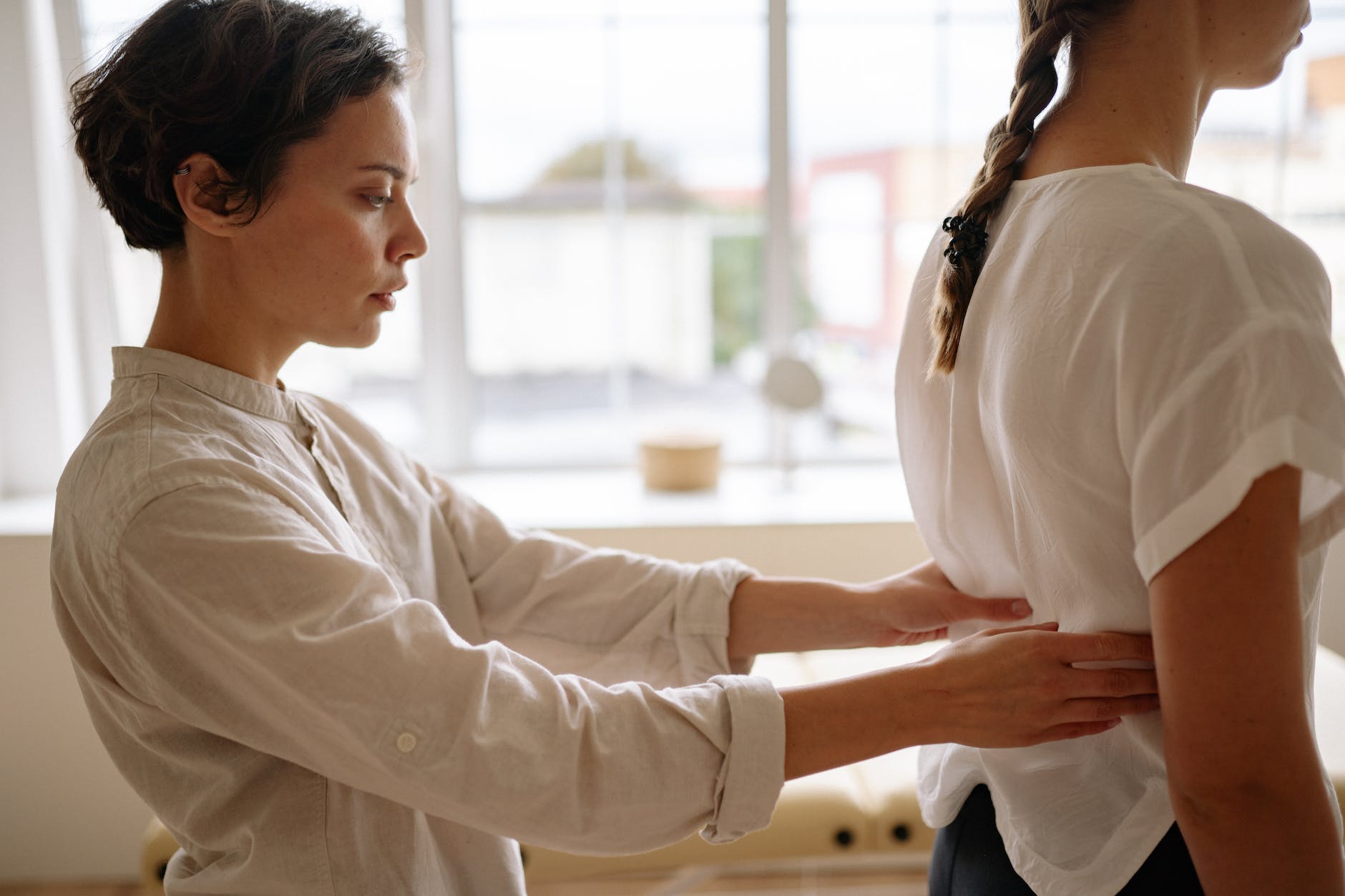
Posture describes the way in which you hold your body, and can be split into two different scenarios. Dynamic posture is how you hold your body whilst moving, and static posture is how you hold yourself when you are not moving. When most people talk about their posture, they are referring to their static posture, how they position their body whilst standing, sitting, or laying.
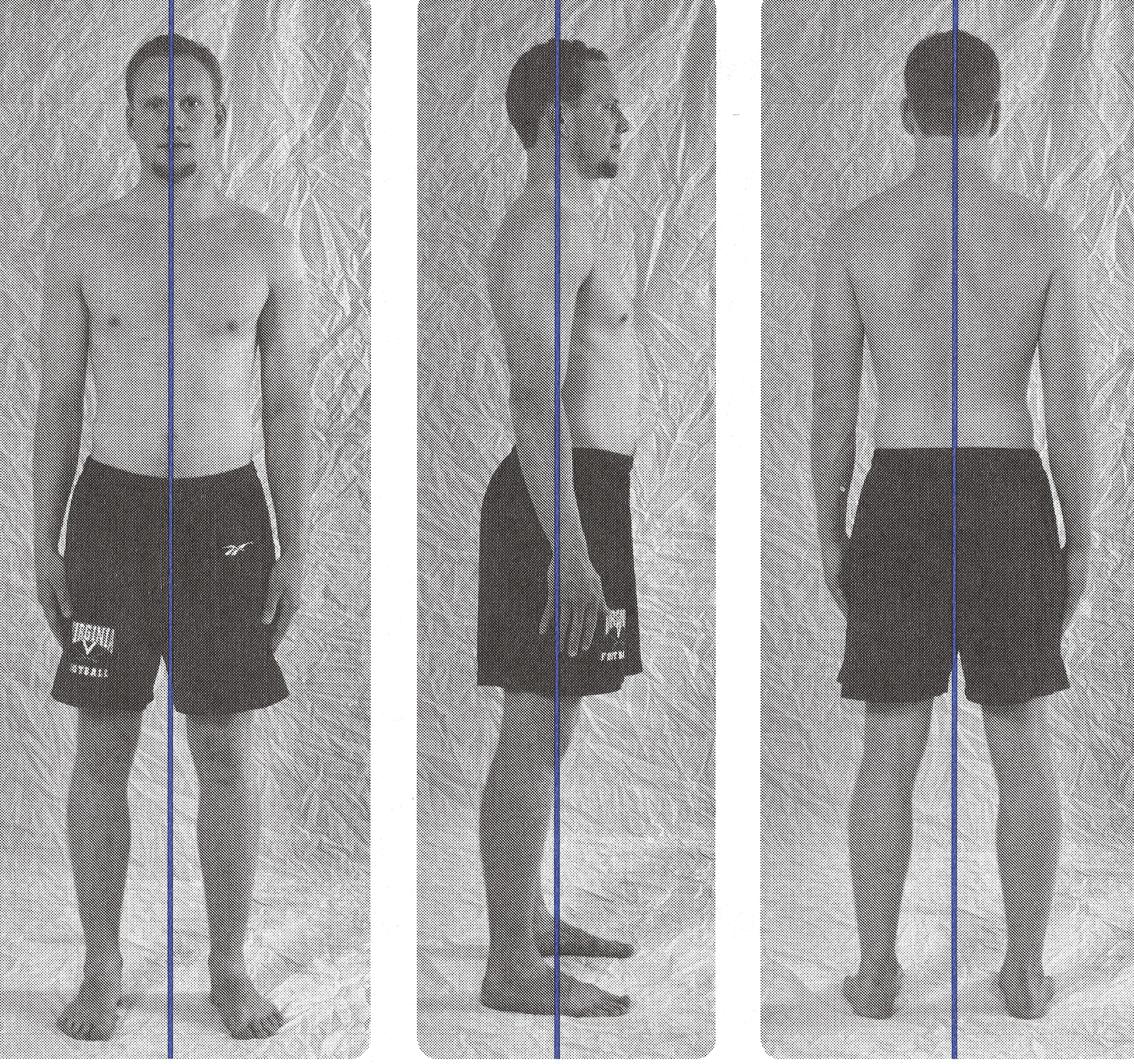
Your spine is key to having good posture, it has three natural curves, one at your neck, mid back (thoracic) and lower back (lumbar). With correct posture all of these curves should be maintained- not increased or decreased. Your head should be above your shoulders, and the tops of your shoulders over your hips. From the side, your ear, shoulder, hip and ankle should all be in line with one another.
For a lot of people, they are first aware of their bad posture when they begin to notice a constant ache or pain in their back that they can’t seem to shift. But this is not the only effect of bad posture, you may also experience:
- A decrease in flexibility
- A misaligned musculoskeletal system
- Difficulty digesting food
- A decrease in how well joints move
- An increased risk of pressure through the spine, making it more susceptible to injury and degenerative conditions
- Difficulty balancing, and an increased risk of falls
Two common postural imbalances are known as upper-cross and lower-cross syndrome, neither of these postural imbalances are desirable, but conservative intervention is often effective in correcting them. Upper and lower cross syndrome may sound intimidating to begin with, but are simply terms used to describe specific combinations of muscle weakness and tightness in certain areas of the body.
| Upper cross syndrome | Lower cross syndrome | |
| How does it look? | Rounded shoulders, a forward head in front of the body, an apparent curve in the in neck and upper back | Pelvis tilted forwards with an increased curve in the lower back |
| Tight muscles | Pectorals, upper trapezius, and levator scapula | Erector spinae and iliopsoas |
| Weak muscles | Deep neck flexors, lower trapezius, and serratus anterior | Abdominal muscles and gluteus maximus |
| Who is it common in? | The elderly, office workers | People who spend a prolonged period of time sitting, such as people who work at a desk |
Bad posture can be caused by a whole host of different factors, often several in combination. Some of the most common contributing factors include:
- Insufficient home office- since the first COVID lockdown more of us have been working from home, yet some still haven’t taken the time to make sure they have an appropriate work from home set up. A good chair and correct monitor height can make a big difference to your posture. To learn more about creating a posture friendly work space, check out our previous blog post
- Watching TV- while watching TV in itself won’t impact upon your posture, how you sit whilst watching certainly will. Sitting idle for regular, prolonged periods of time, in an unsupportive sofa can soon contribute to poor posture on a day to day basis
- Reading, and looking at hand held devices – looking down and focussing on a small screen or pages of a book for a long period of time will eventually lead to your neck and shoulders starting to strain
So what can you do to improve your posture?
Being mindful of your posture throughout the day is vital, and it is important that you stay active. Any exercise may improve your posture, but some will be more beneficial than others. Yoga, tai chi, and other activities that focus on body awareness will help to strengthen your core and improve your general posture. It is also important to maintain a healthy weight when possible. Excess weight will put additional strain on your body and will weaken your abdominal muscles, alter the function of your pelvis and spine, leading to lower back pain.
A lot of people will spend a lot of their time sitting- whether this be at work, school or at home. Therefore it is important to be aware of your posture when seated. Check out or previous blog posts “Looking after your body whilst working from home” and “What can I do to help my body during lockdown” to find out more.
This blog post is not designed to replace a full assessment from qualified healthcare professional, and outlines just a few ways in which you posture can be altered. If you would like to discuss your own posture, or to book an appointment, contact us.
 HLM Sports Therapy