
Knots can form in as little as 20 minutes from something as simple as sitting with poor posture – but what are they, how do they form, and what can you do at home to help relieve them?
When we talk about knots in your muscles, they’re not actually knots like you know them. Their proper name are trigger points, and are muscle fibres that are sticking together. Trigger points most commonly occur in muscles (myofascial trigger points) but can also be found in tendons and ligaments. They are sensitive spots in soft tissues which, when pressed, feel tender and refer pain to elsewhere in the body. If there isn’t any referred pain, the area is known as a tender point.
Myofascial trigger points form as a result of excessive levels of acetylcholine and calcium – chemicals which are produced by the body when muscle contractions take place. When these chemical levels become elevated, oxygen in the muscle is reduced, causing the muscle fibres to contract and go into spasm. When these spasms are prolonged, adhesions will form between the muscle fibres when they are in a shortened position. This area of increased tension and adhesions are what we call a knot.
Trigger points can form as a result of injury, poor posture, muscular overuse, and muscular micro-trauma (resistance training). In all of these cases, the muscle will contract more than usual, leading to elevated levels of acetylcholine and calcium, and a trigger point will form. Once formed, a trigger point in a muscle will feel tight and shortened, and frequently result in loss of flexibility and poor movement.
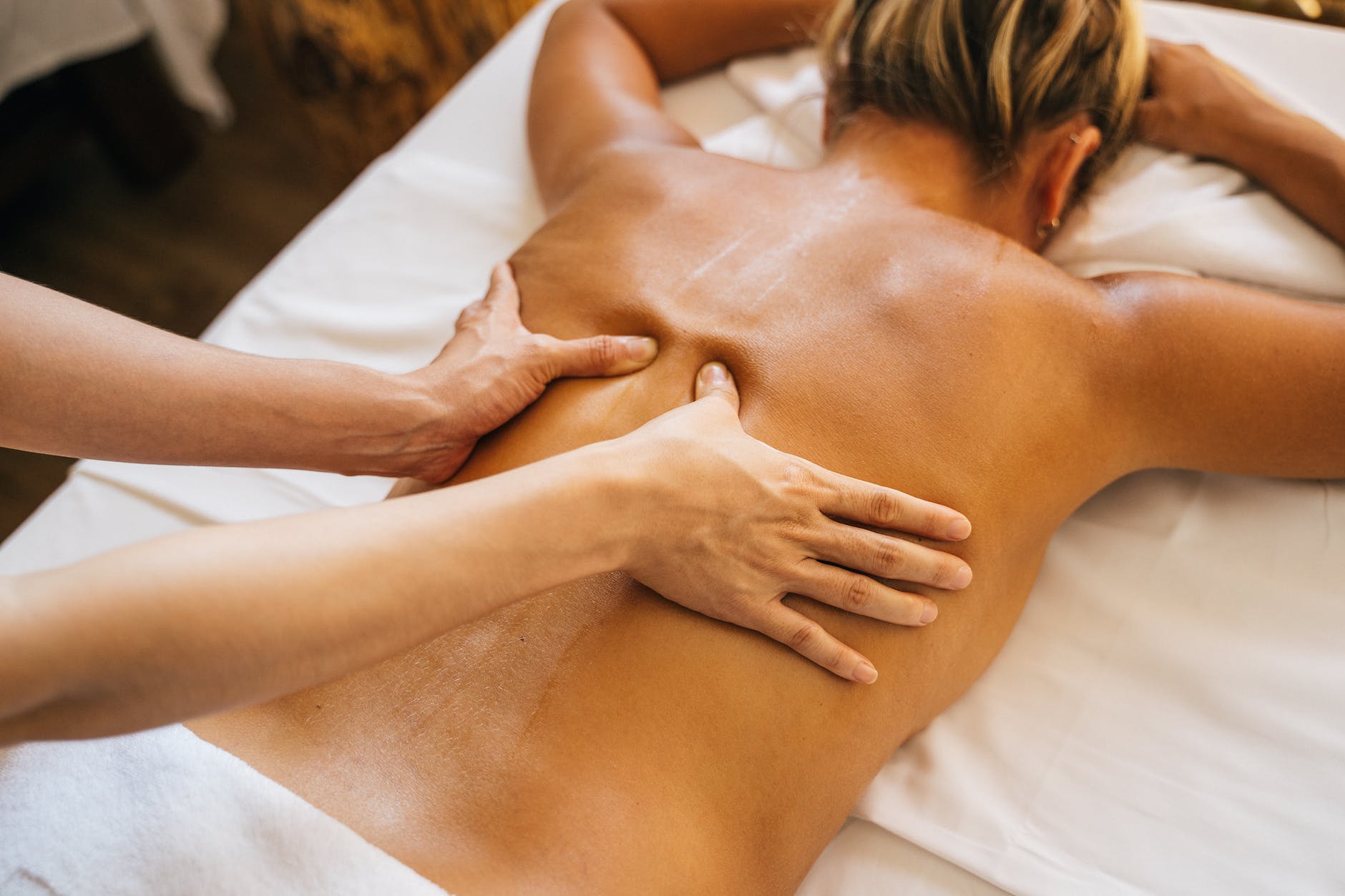
Treatment for knots commonly includes trigger point therapy and massage. These treatments help to breakdown adhesions between muscle fibres, as well as increasing blood flow into the muscle. By increasing the oxygen delivered to the muscle, the chemical required to stop muscle contraction (ATP) can be produced, and the muscle will begin to return to its resting length.
Trigger points that have already formed cannot be relieved without trigger point therapy and massage, however there is plenty you can do at home to help prevent them from forming:
- Regular stretching and exercises to keep soft tissues in a lengthened state
- Hydration to help provide nutrients to the muscles and allow them to work efficiently
- Ensure nutrients such as magnesium, calcium, vitamin C and zinc, all of which are essential in the normal function on muscles, are being consumed in appropriate quantities
- Reducing stress and anxiety can also help prevent trigger points. It is very common for people with painful trigger points to be caught in a cycle of stress, which then limits their sleep, and then leads to further stress
- Having a hot bath or shower can increase blood flow and reduce your risk of trigger points forming. Like when treating trigger points, increasing circulation will help the muscle to relax. Warming a muscle with a hot water bottle or heat pack can also help to achieve this
If you would like to discuss your own symptoms with us, or book an appointment, please contact us.

