
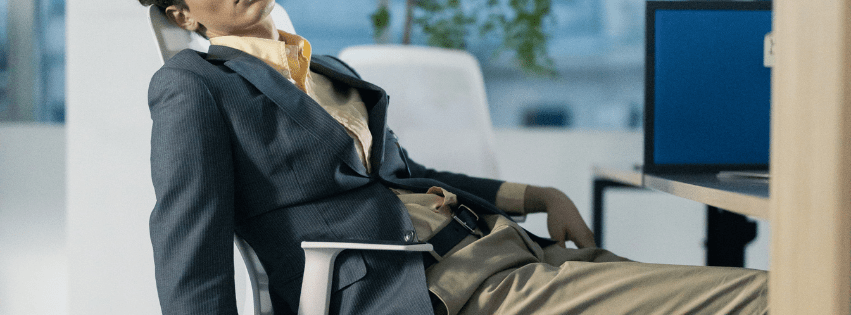
For many people, sitting feels harmless. It’s how we work, relax, commute, and unwind at the end of the day. The problem isn’t sitting itself — it’s how much of it we do, and how little we move in between. Modern life has made long periods of sitting normal, but our bodies haven’t adapted to it very well. Over time, too much sitting can quietly contribute to pain, stiffness, weakness, and reduced performance, even in people who exercise regularly.
Why Our Bodies Struggle With Prolonged Sitting
The human body is designed for movement. When we sit for long periods, many muscles become underused while others are held in the same position for hours at a time.
Common changes that occur with prolonged sitting include:
- Reduced activity in the glute muscles
- Tightness through the hip flexors
- Increased stiffness in the spine
- Reduced circulation
None of these happen overnight. They develop gradually, which is why the effects of sitting too much often go unnoticed until pain or dysfunction appears.
What Happens to Your Muscles When You Sit Too Much?
When you sit, certain muscles stay shortened while others are barely used. Over time, the body adapts to this position. For example, the hip flexors at the front of the hips remain in a shortened position while sitting. If this position is maintained for hours each day, those muscles can become stiff and resistant to lengthening. At the same time, the glute muscles — which help control the hips and support the lower back — become less active. This imbalance can affect how you walk, run, lift, and even how you stand.
Sitting and Back Pain: What’s the Connection?
Sitting places a sustained load through the spine, particularly the lower back. Poor posture, limited movement, and fatigue can increase this load further. When the spine stays in one position for too long, joints and soft tissues can become irritated. Muscles that normally help support posture may fatigue, leading to slouching and additional strain. Over time, this can contribute to stiffness, discomfort, and recurring back pain. It’s important to note that sitting itself isn’t “bad,” but uninterrupted sitting for long periods is when problems tend to occur.
Why Exercise Alone Isn’t Always Enough
Many people assume that going to the gym or training after work cancels out a full day of sitting. While regular exercise is extremely beneficial, it doesn’t completely undo the effects of being sedentary for the rest of the day. You can be both physically active and highly sedentary at the same time. If the majority of your day is spent sitting, the body still experiences long periods of reduced movement and muscle activity. This is why movement spread throughout the day is just as important as structured exercise.
How Sitting Affects Athletes and Active People
Athletes and active individuals aren’t immune to the effects of prolonged sitting. Long hours at a desk or in a car can affect mobility, muscle activation, and movement quality. Reduced hip mobility or underactive glutes can alter running mechanics, lifting technique, or agility. Over time, this may increase injury risk or limit performance, especially if training loads increase.
Simple Ways to Reduce the Impact of Sitting
You don’t need to eliminate sitting completely. The goal is to break it up regularly.
Helpful strategies include:
- Standing up or walking for a few minutes every 30–60 minutes
- Using a sit-stand desk if available
- Taking phone calls while standing or walking
- Adding short mobility or movement breaks during the day
These small changes help restore circulation, reduce stiffness, and remind muscles to stay active.
Movement Matters More Than Perfect Posture
While posture is important, it’s not about maintaining one “perfect” position all day. No posture is ideal if it’s held for too long. Regular movement is far more important than sitting perfectly still with “good posture.” Changing position, standing, stretching, and walking all help reduce strain on the body.
Sitting too much doesn’t cause problems overnight, but over time it can quietly sabotage how your body moves and feels. Even if you exercise regularly, long periods of uninterrupted sitting can contribute to pain, stiffness, and reduced performance. The solution isn’t to stop sitting altogether — it’s to move more often, in small but consistent ways. Your body thrives on movement. The more regularly you give it that opportunity, the better it tends to respond.
This blog post is not designed to replace a full assessment from qualified healthcare professional. If you would like to discuss how sports therapy may be beneficial for you, a current injury, or to book an appointment, contact us.
 HLM Sports Therapy