
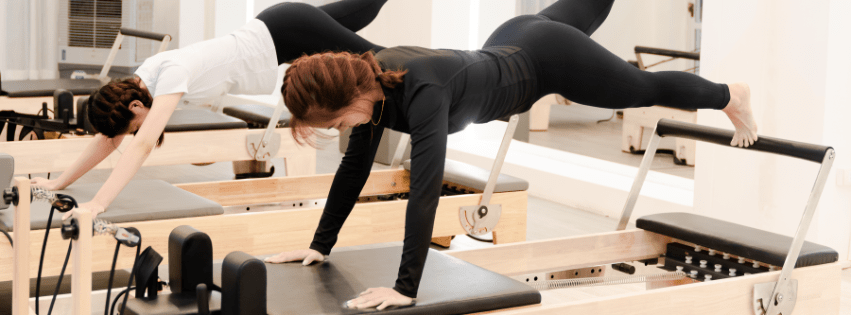
When people hear the word core, they often think of six-pack abs or endless sit-ups. In reality, your core is much more than that, and it plays an important role not just in sport, but in everyday life as well. From walking and lifting to sitting at a desk or playing with your kids, your core is constantly working behind the scenes.
Understanding why it matters can help you move better, perform better, and reduce your risk of injury.
What Do We Mean by “Core”?
The core isn’t a single muscle. It’s a group of muscles that surround and support your spine, pelvis, and hips. These muscles work together to create stability and control during movement. Key core muscles include:
- Deep abdominal muscles (such as the transverse abdominis)
- Larger abdominal muscles (including the rectus abdominis and obliques)
- Back muscles that support the spine
- Glute muscles
- Pelvic floor muscles
- The diaphragm, which plays a role in breathing and stability
Together, these muscles act like a supportive cylinder around your trunk.
What Is the Core’s Main Job?
The core’s primary role is to keep your spine and pelvis well controlled while you move. This doesn’t mean being stiff or “bracing” all the time. Instead, it means providing just enough support so your arms and legs can move efficiently.
Whenever you run, jump, lift, throw, or stand up from a chair, your core helps transfer force through the body. When this system works well, movement feels smooth and controlled. When it doesn’t, other areas often take on extra load to compensate.
Why Core Strength Is Important for Athletes
Most athletic movements start from the ground and travel through the body. Your core acts as the link between your lower and upper body, making it essential for effective force transfer.
A strong, well-coordinated core helps athletes produce power, maintain balance, and move with better control, particularly when fatigued. Without this foundation, technique can break down and energy can be lost, increasing injury risk. Core strength also plays a protective role. Poor core control can place extra stress on the knees, hips, shoulders, and lower back, which over time can contribute to overuse injuries.
Why Core Strength Matters in Everyday Life
You don’t need to be an athlete to rely on your core. Everyday activities such as lifting shopping bags, carrying children, climbing stairs, or sitting for long periods all place demands on your trunk.
If the core is weak or lacks endurance, these tasks can become more tiring and uncomfortable. Over time, this can contribute to issues like lower back pain, poor posture, and reduced balance. A well-functioning core helps make daily movement easier and more efficient.
Core Strength and Back Pain
Your spine is designed to move, but it also needs support. The deep core muscles help provide that support by controlling small movements and maintaining good alignment during activity. If these muscles don’t do their job effectively, other structures such as joints, discs, and ligaments can become overloaded. This is one reason why core training is often an important part of both preventing and managing back pain. It’s worth noting that this isn’t about having a rigid or “tight” core. Good core function is about control, coordination, and endurance.
Common Misunderstandings About Core Training
Core training is often misunderstood. It’s not just about sit-ups or chasing muscle soreness, and it’s not only for people with back pain. The core is designed to work regularly and for long periods, especially during everyday movement.A visible six-pack also doesn’t necessarily mean good core function. Effective core training focuses on how well the muscles work together, not just how they look.
Good core training should reflect real-world demands and be tailored to the individual. A runner, a weightlifter, and an office worker all use their core differently. Effective programs focus on controlled movement, gradual progression, and exercises that challenge stability while the body is moving. Quality of movement is far more important than simply making exercises harder.
Core strength isn’t about aesthetics — it’s about function. A strong, well-controlled core supports better movement, improves performance, and reduces injury risk in both sport and everyday life. Investing time in the right kind of core training can pay off far beyond the gym, helping you stay active, confident, and pain-free.
This blog post is not designed to replace a full assessment from qualified healthcare professional. If you would like to discuss how sports therapy may be beneficial for you, a current injury, or to book an appointment, contact us.
 HLM Sports Therapy