

Hips are one of the most common problem areas in the body, and can be a contributor to a number of other musculoskeletal conditions, but are often not given enough attention. This hip is a ball and socket joint, which has a primary function for supporting the weight of the body while still facilitating movement. This hip is surrounded by a lot of large muscle groups to allow this function to be fulfilled, while also preventing you from dislocating- hamstrings, glutes, hip flexors.
As we discussed in our last blog post, mobility is the ability of a joint to move through a range of movement with control, without becoming restricted. Mobility requires having the appropriate strength, co-ordination, body awareness and flexibility in order to complete a movement. Hip mobility is essential to the proper function of the hip joint. It may be more stable and less mobile than the shoulder joint, but it can be very limiting if the hip joint lacks its full mobility. Limited hip mobility will alter the natural biomechanics of your body, predisposing you to injury, not only at the hip itself, but throughout the rest of your body too.
Hip mobility can be limited by both chronic conditions and acute injuries. Among the athletic population, injuries such as labral tears, hip flexor strains and snapping hip syndrome are often factors contributing to reduced mobility. Chronic conditions which commonly lead to reduced hip mobility include bursitis, arthritis, and tendinopathy. While it is widely reported that hip mobility will naturally reduce with age, there is plenty that can be done to slow this process.
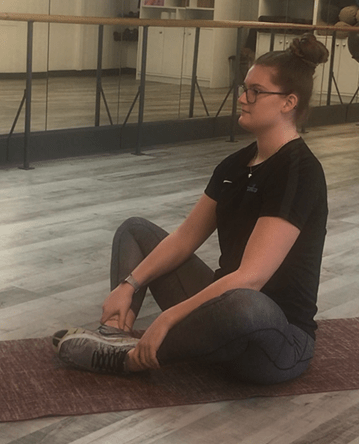
Butterfly stretch
Bring the soles of your feet together and relax your knees to the floor. Bring your feet closer to your body to increase the stretch. Hold for up to 30 seconds
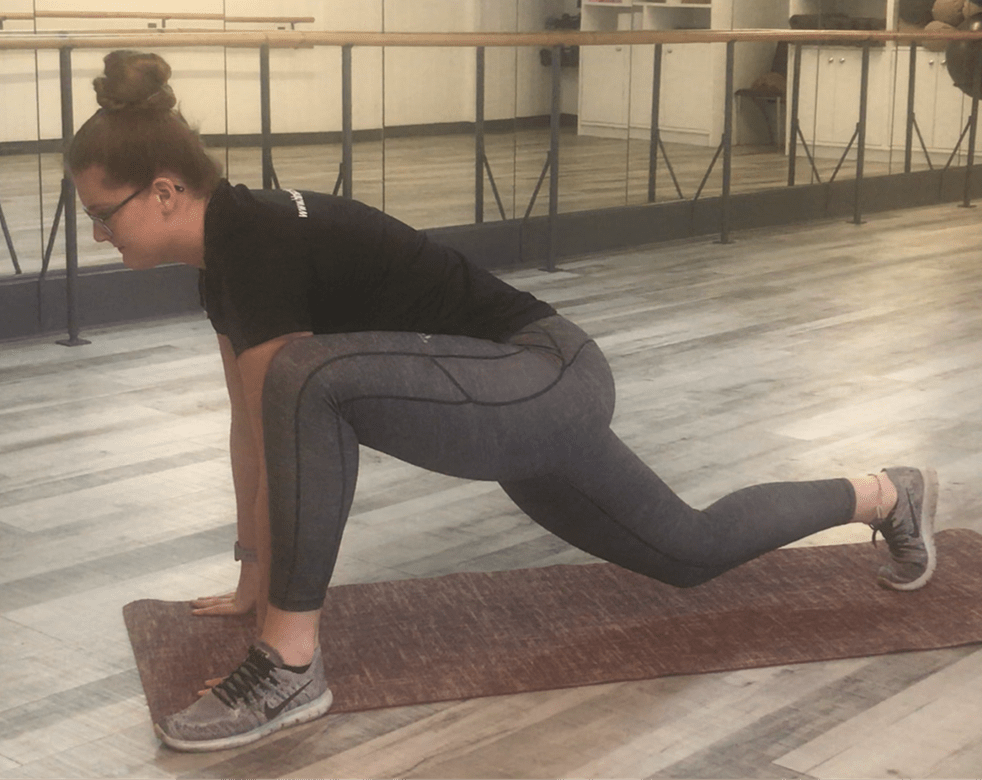
Lizard pose
Start on all fours. Bring your right foot to the outside of your right hand, coming into a lunge position. Lower your left knee towards the ground and press into your hips. Hold for up to 30 seconds and repeat on both sides.

Hip flexor stretch
Kneel on your right knee, put your left foot on the floor with your knee at a 90 degree angle. Shift your weight forwards over your left foot. Hold for up to 30 seconds and repeat on both sides.
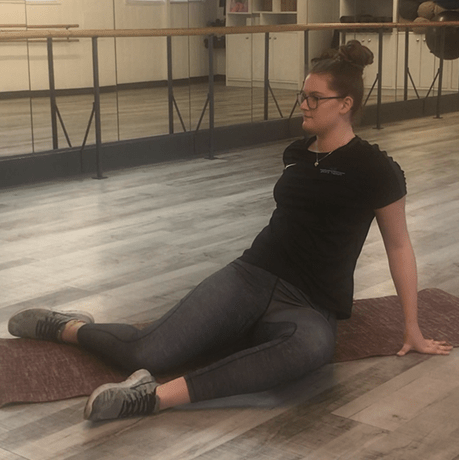
90-90’s
Sitting on the floor, start with your feet flat on the floor, slightly wider than shoulder width apart. Roll your knees to the right and then the left. Hold for 10seconds each side before rolling to the other
This blog post is not designed to replace a full assessment from qualified healthcare professional, and outlines just a few ways in which you can improve your hip mobilty at home. If you would like to discuss your own shoulder mobility, injury, or to book an appointment, contact us.
 HLM Sports Therapy